
Varicose Vein Treatment
Varicose Vein Treatment
Varicose veins are enlarged, twisted veins that most commonly appear on the legs. They happen when the vein valves weaken, causing blood to pool and the veins to become prominent, heavy, and painful.
Many patients seek treatment for both comfort and appearance. Early care also helps prevent complications such as swelling, skin discoloration, eczema, bleeding, and venous ulcers.
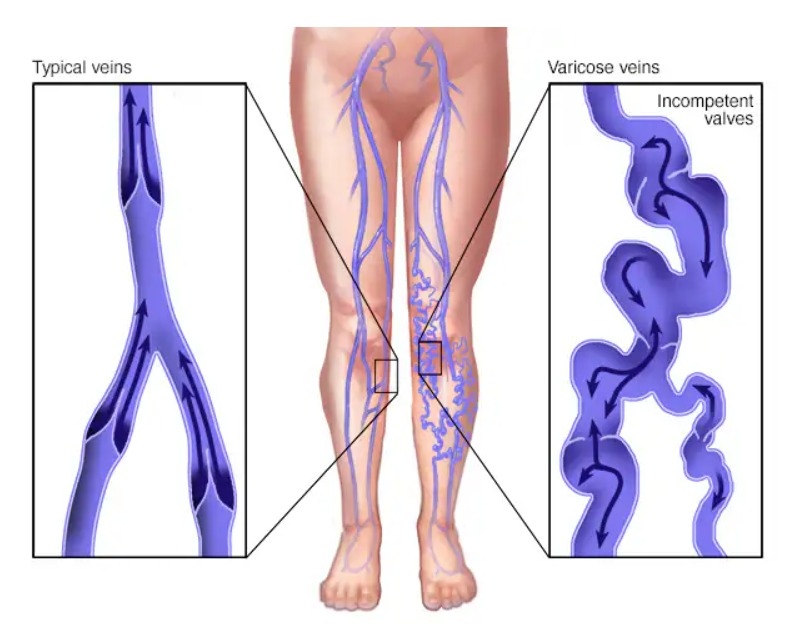
Get treated for varicose veins without the need for surgery and with no scar marks. We have successfully performed more than 10,000+ varicose vein cases with excellent results-typically with no anesthesia and no hospital stay.
We use advanced, minimally invasive techniques based on your vein mapping (Doppler/duplex ultrasound). The latest technology includes Microwave Ablation and VenaSeal glue embolization to close faulty veins and improve circulation.
Symptoms
Varicose veins can be visible on the skin, but symptoms often go beyond appearance. Common signs include:
- Heaviness, aching, or throbbing in the legs (often worse after standing)
- Swelling around the ankles and feet
- Burning, itching, or cramping (especially at night)
- Visible bulging veins or clusters of spider veins
- Skin darkening, dryness/eczema, or hardening around the ankle
- Non-healing wounds or venous ulcers (advanced disease)
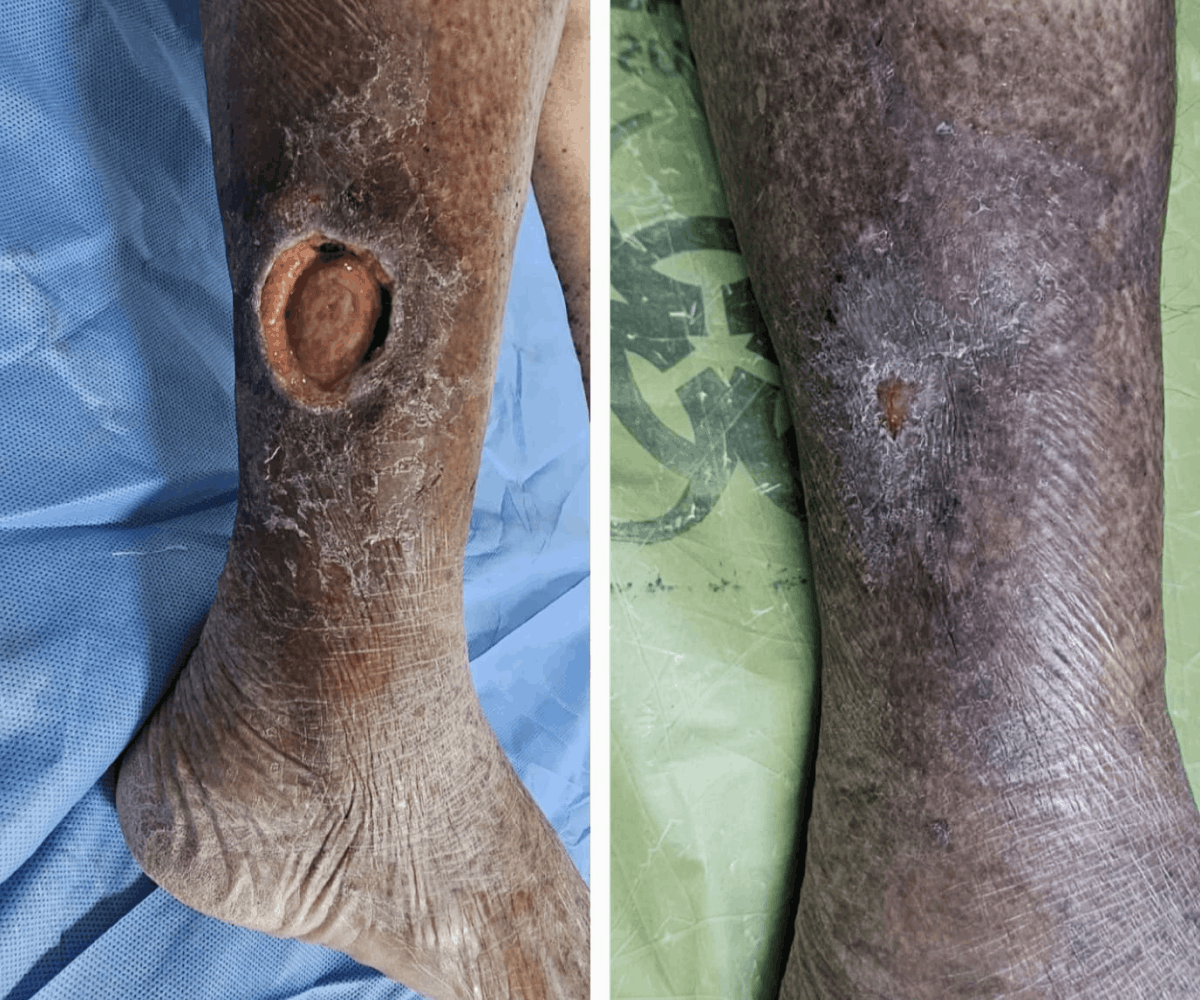
Pre and post treatment venous ulcers
Treatment
After ultrasound vein mapping, we recommend a plan tailored to your vein size, reflux pattern, and symptoms. Options may include:
- Microwave Ablation: heat-based closure of the refluxing vein through a tiny puncture
- VenaSeal (Glue Embolization): medical adhesive used to seal the faulty vein without tumescent anesthesia
- Foam / liquid sclerotherapy for smaller veins and residual branches
- Ambulatory phlebectomy (micro-removal) for prominent surface bulges when needed
- Compression therapy and lifestyle guidance to support long-term results
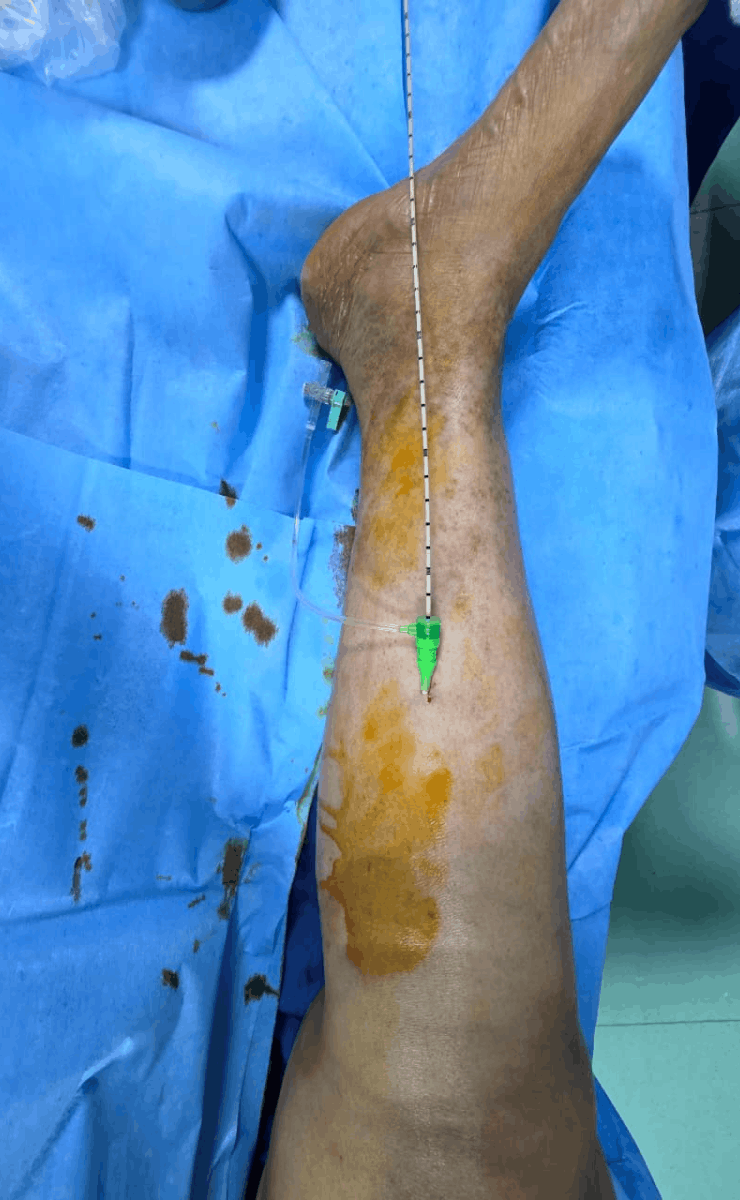
Microwave ablation for various veins
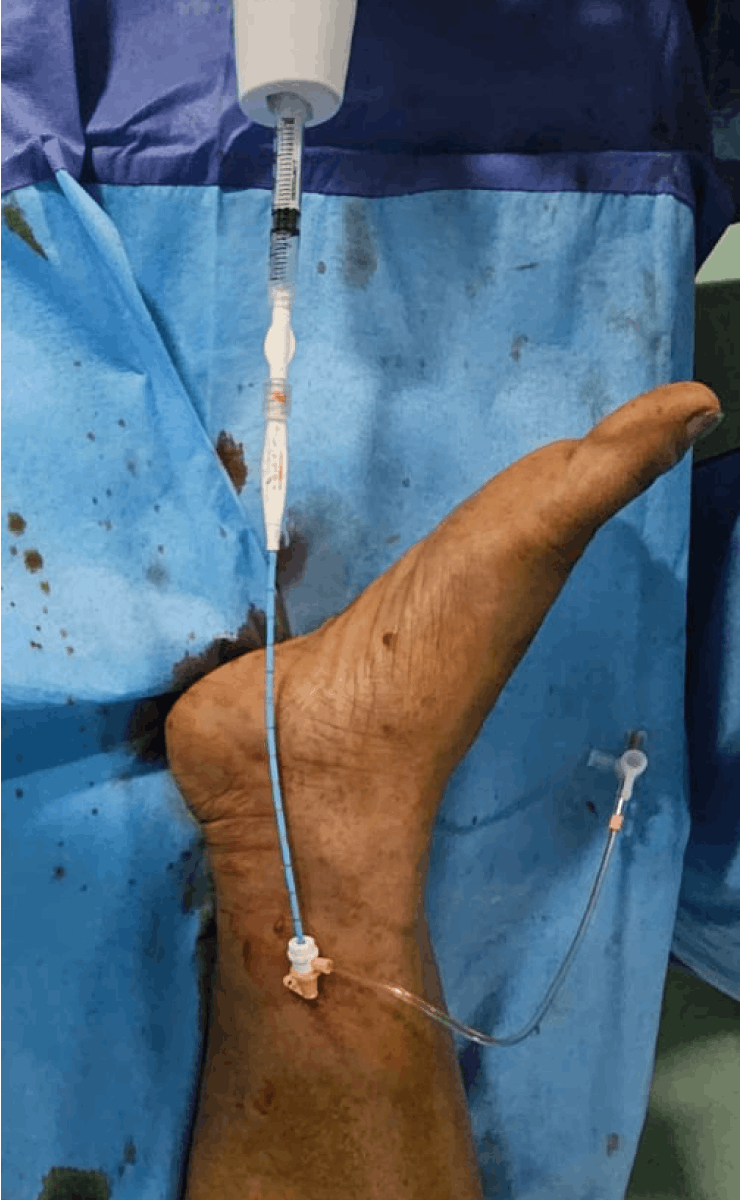
Venaseal glue embolization procedure
After Treatment
Get treated for varicose veins without the need for surgery and with no visible scars. Our minimally invasive procedures offer excellent results with faster recovery, minimal discomfort, and often no requirement for general anesthesia or hospital stay.
After ultrasound vein mapping, we recommend a personalized treatment plan based on your vein size, reflux pattern, and symptoms.
- Microwave Ablation: Heat-based closure of the refluxing vein through a tiny puncture
- VenaSeal (Glue Embolization): Medical adhesive used to seal the faulty vein without tumescent anesthesia
- Foam / liquid sclerotherapy for smaller veins and residual branches
- Ambulatory phlebectomy (micro-removal) for prominent surface bulges when needed
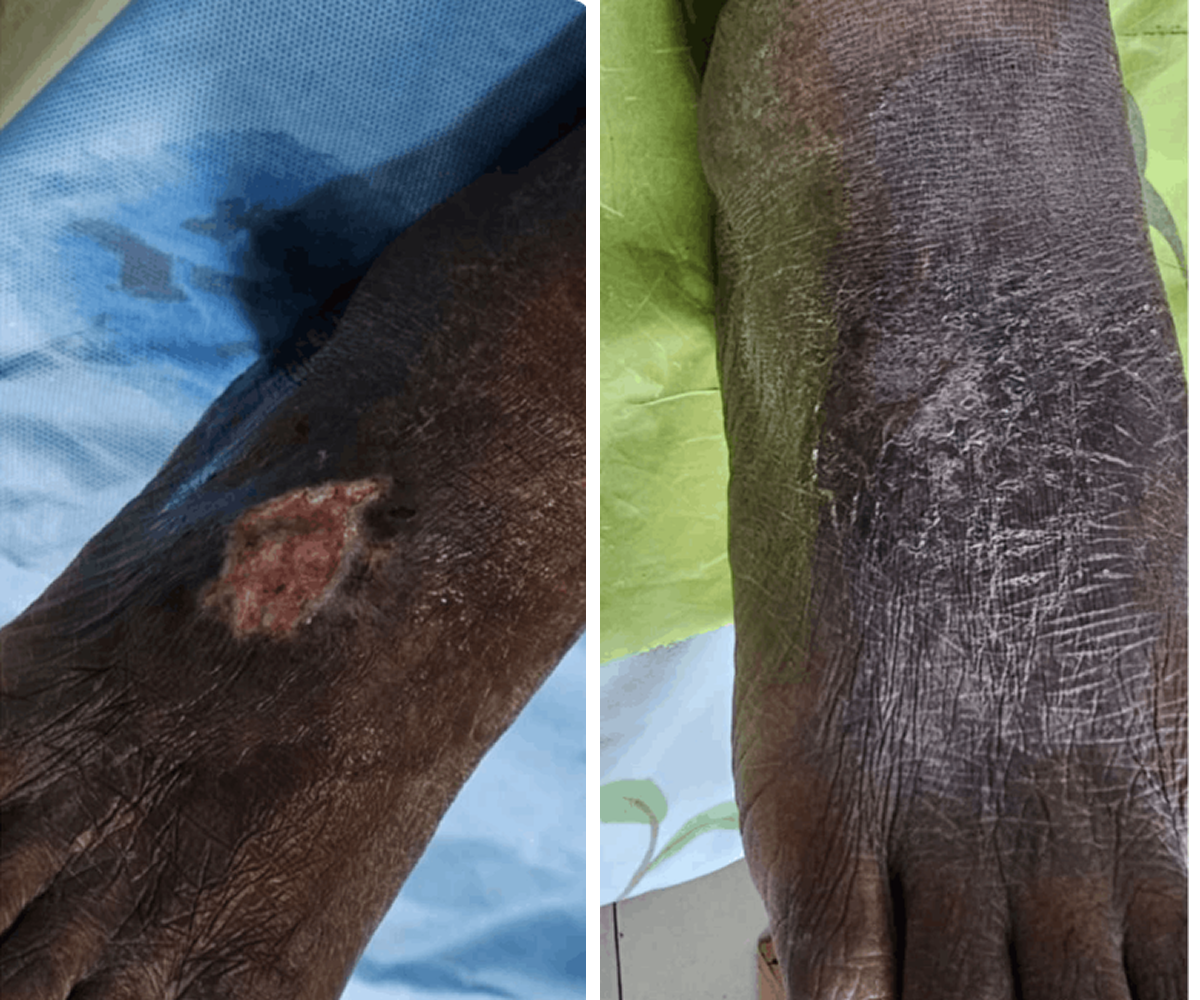
Pre and post treatment venous ulcers
Frequently Asked Questions
-
1.Is varicose vein treatment painful?
Most modern varicose vein procedures are minimally invasive and done through a tiny puncture. Patients usually feel mild discomfort rather than significant pain, and they can walk shortly after the procedure.
-
2.Will I need surgery or stitches?
In many cases, no. Treatments like Microwave Ablation and VenaSeal close the faulty vein from inside without open surgery, typically with no stitches and minimal to no scarring.
-
3.How do you decide which treatment is best?
We perform a Doppler/duplex ultrasound (vein mapping) to identify reflux and the affected vein segments. Based on your vein anatomy, symptoms, and lifestyle, we recommend the safest and most effective option.
-
4.How long is the recovery time?
Most patients return to routine activities quickly, often the same day or next day, depending on the procedure and the number of veins treated. You’ll usually be advised to walk and avoid heavy workouts for a short period.
-
5.Can varicose veins come back after treatment?
Treated veins are typically closed permanently, but new veins can develop over time due to genetics, prolonged standing, pregnancy, or weight changes. Regular follow-up and lifestyle measures help maintain results.
-
6.When should I see a doctor urgently?
Seek medical attention if you have sudden leg swelling, severe pain, bleeding from a vein, a non-healing wound, signs of infection, or shortness of breath. These may indicate complications that need prompt evaluation.