
Thyroid Treatment
Thyroid Treatment
The thyroid is a small gland in the neck that plays a big role in regulating metabolism, energy, heart rate, and many other body functions. When the thyroid becomes overactive, underactive, or develops nodules, it can cause a wide range of symptoms.
Timely diagnosis and targeted treatment can help control hormone levels, shrink nodules, and relieve symptoms such as fatigue, weight changes, palpitations, and neck discomfort.
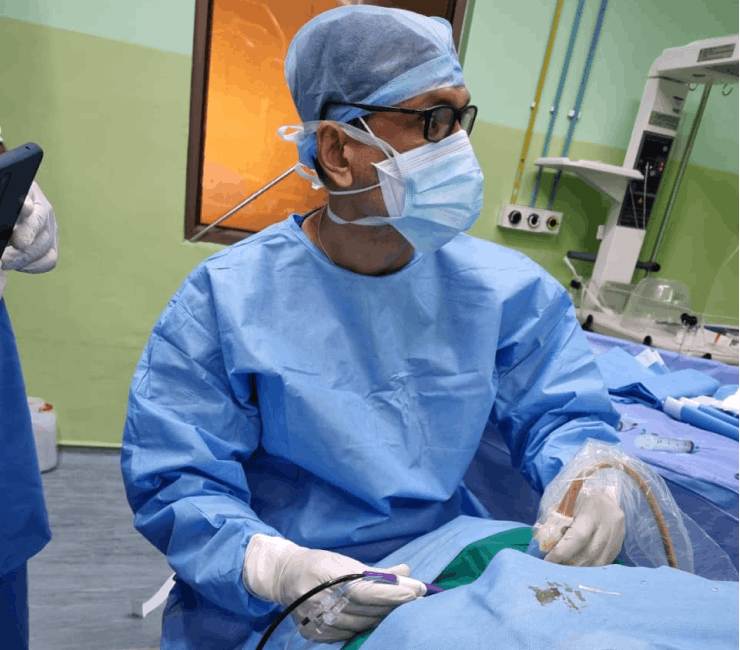
Personalised Thyroid Care
We offer comprehensive care for thyroid disorders, including nodules, goitre, hyperthyroidism and hypothyroidism. Our aim is to control hormones, treat nodules with minimally invasive options where appropriate, and help you feel energetic and symptom‑free again.
Evaluation generally includes a detailed clinical examination, thyroid function tests, ultrasound of the neck and, when needed, FNAC/biopsy. Treatment is then planned individually-ranging from medicines to image‑guided minimally invasive procedures.
Symptoms
Thyroid problems can cause very different symptoms depending on whether the gland is overactive, underactive or has nodules. Common warning signs include:
- Unexplained weight gain or weight loss
- Persistent fatigue, weakness or low energy
- Palpitations, fast heartbeat or tremors
- Feeling unusually hot, sweaty or very sensitive to cold
- Neck swelling, visible lump or a feeling of “something stuck” in the throat
- Hoarseness, difficulty swallowing or pressure in the neck
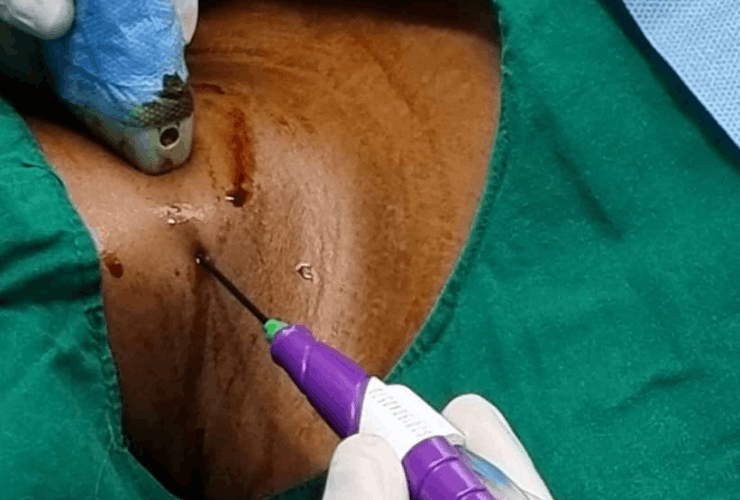
Microwave ablation of thyroid nodules/swelling
Treatment
Based on your thyroid hormone levels, ultrasound and FNAC/biopsy reports, we suggest a tailored plan. Treatment options may include:
- Medical management for hyperthyroidism and hypothyroidism to normalise hormone levels
- Minimally invasive microwave ablation of benign thyroid nodules under ultrasound guidance
- Image-guided procedures to shrink nodules and relieve pressure symptoms without open surgery in selected cases
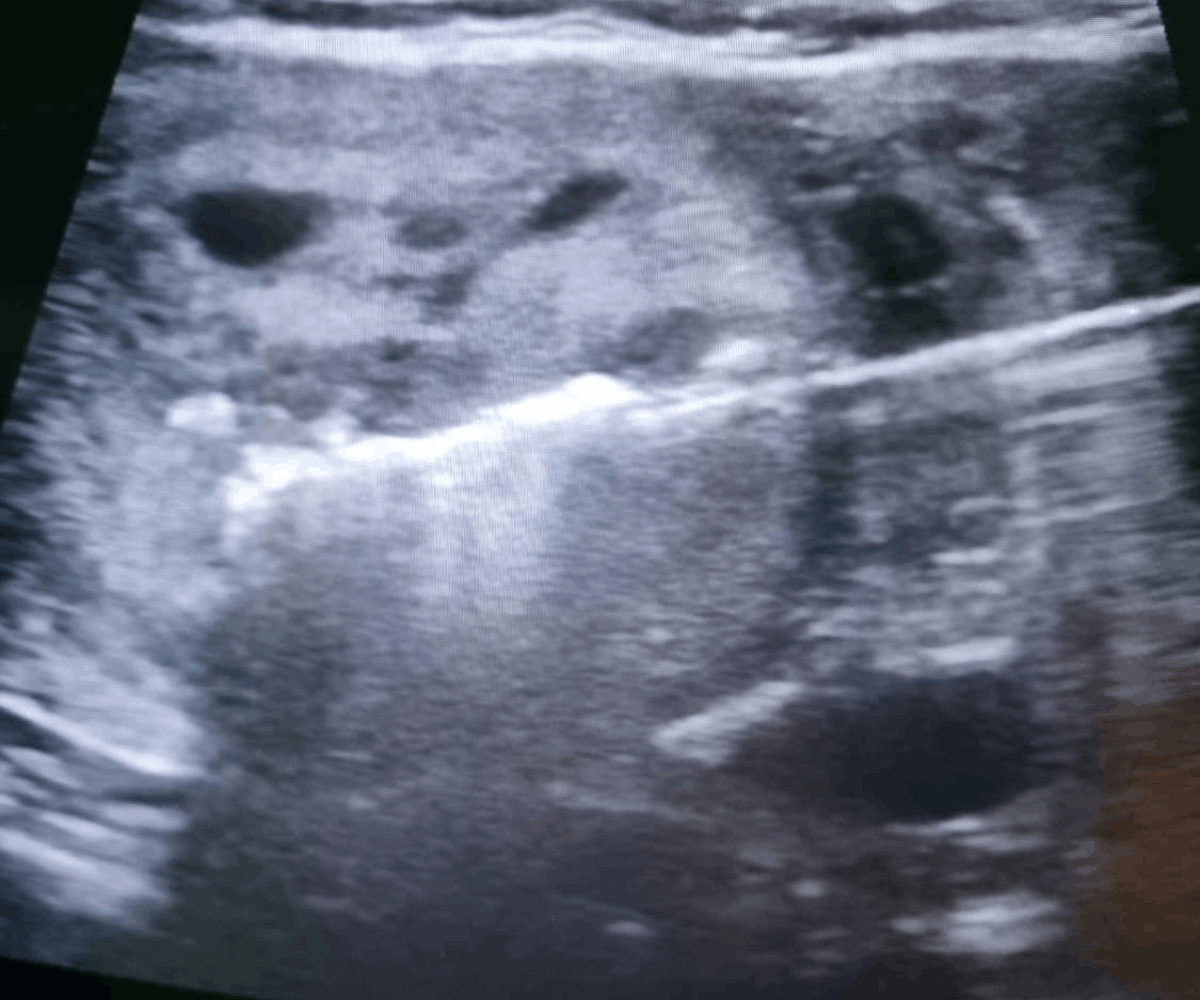
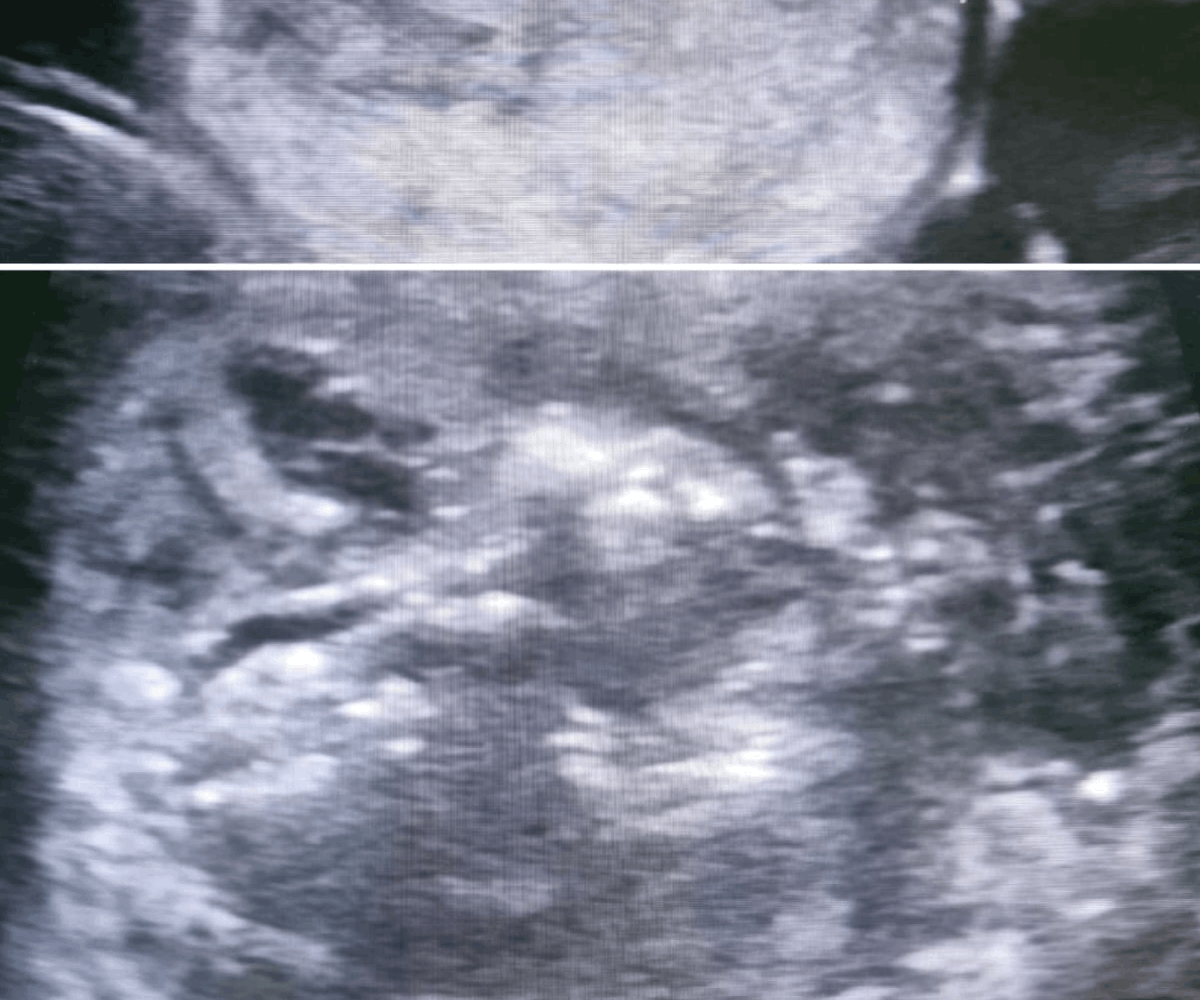
Microwave ablation theropy for benign thyroid nodules
After Treatment
Follow‑up is an important part of thyroid care. After treatment, we usually advise:
- Regular follow‑up visits with thyroid function tests to fine‑tune medication doses
- Ultrasound checks to monitor nodules after ablation or surgery
- Reporting new symptoms such as palpitations, weight changes or neck pressure
- Maintaining a healthy lifestyle, sleep schedule and stress management
- Promptly contacting your doctor in case of breathing difficulty, severe neck pain or rapidly growing swelling
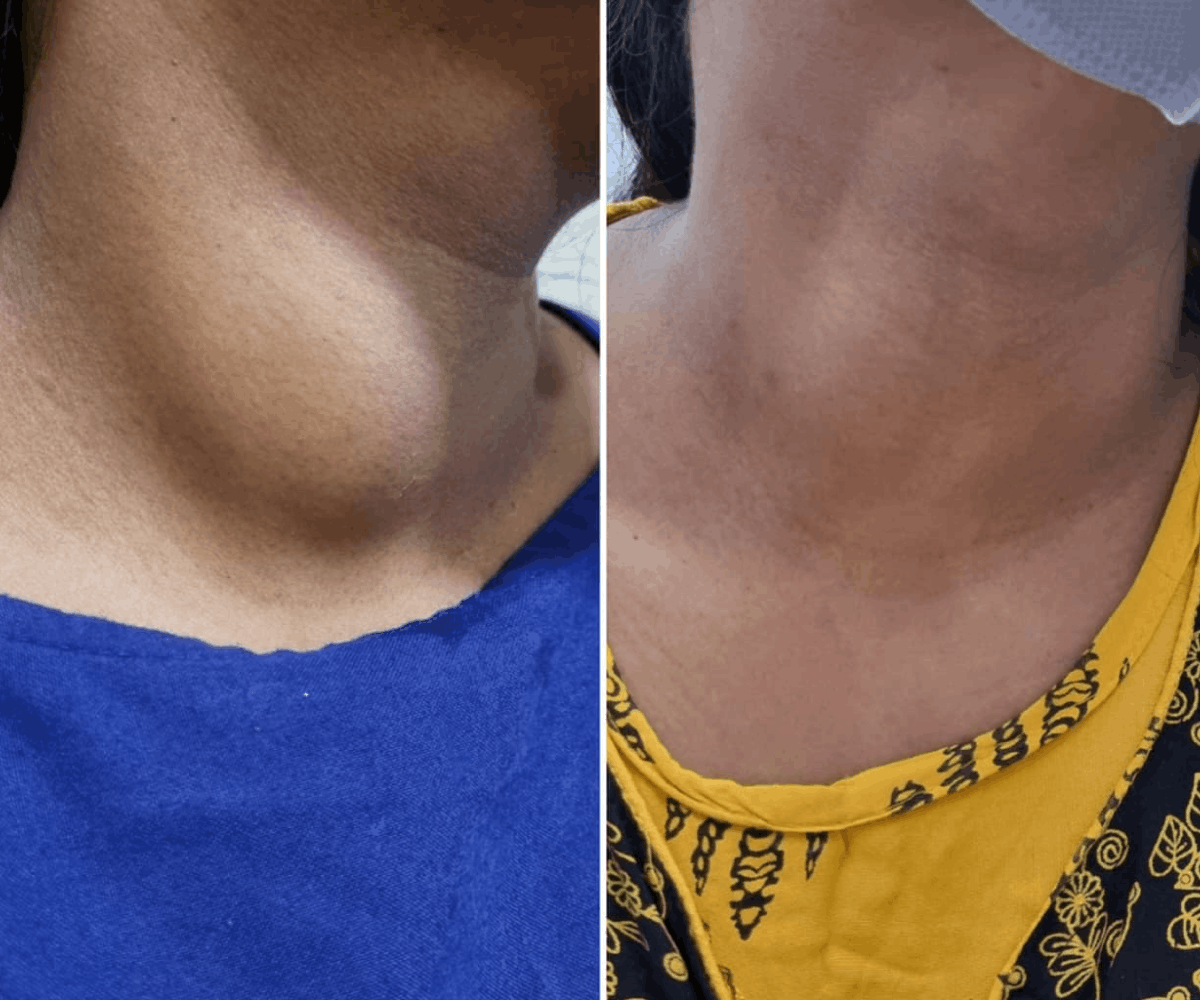
Before and after treatment results of thyroid nodules
Frequently Asked Questions
-
1.What conditions of the thyroid do you treat?
We manage a full range of thyroid conditions including hypothyroidism, hyperthyroidism, thyroid nodules, multinodular goitre and certain thyroid cysts. We also help with evaluation and image‑guided management where appropriate.
-
2.When is minimally invasive thyroid nodule ablation considered?
For selected benign thyroid nodules that cause symptoms such as neck pressure, visible swelling or cosmetic concerns, image‑guided microwave ablation can shrink the nodule without open surgery. Suitability is decided after ultrasound and FNAC/biopsy.
-
3.Will I need to take thyroid medicines lifelong?
Some patients, especially with hypothyroidism, do need long‑term or lifelong medication, while others may use medicines only for a limited period. The need and dose are guided by regular thyroid function tests and your symptoms.
-
4.How long does it take to feel better after treatment?
Many people start feeling better within a few weeks of starting the right thyroid medicine, though full improvement may take a few months. After minimally invasive nodule ablation, most patients resume normal activities quickly with gradual reduction in swelling.
-
5.Are thyroid nodules always cancerous?
No, the majority of thyroid nodules are benign. We use ultrasound features and FNAC/biopsy to assess the risk. Treatment and follow‑up are then planned according to the nature and behaviour of the nodule.
-
6.When should I see a doctor urgently for thyroid issues?
Seek urgent care if you have rapidly increasing neck swelling, difficulty breathing or swallowing, severe voice change, very fast heartbeat, chest pain or confusion. These can indicate serious thyroid‑related complications that need immediate attention.