
Treatment of Chronic Knee Pain
Treatment of Chronic Knee Pain
Chronic knee pain is commonly caused by osteoarthritis and long‑standing inflammation around the knee joint. It can lead to persistent pain, stiffness, swelling and difficulty with walking, climbing stairs and daily activities.
When medicines, physiotherapy and injections don’t provide lasting relief-and when you want to avoid or delay surgery-minimally invasive, image‑guided treatment options may help reduce pain and improve quality of life.
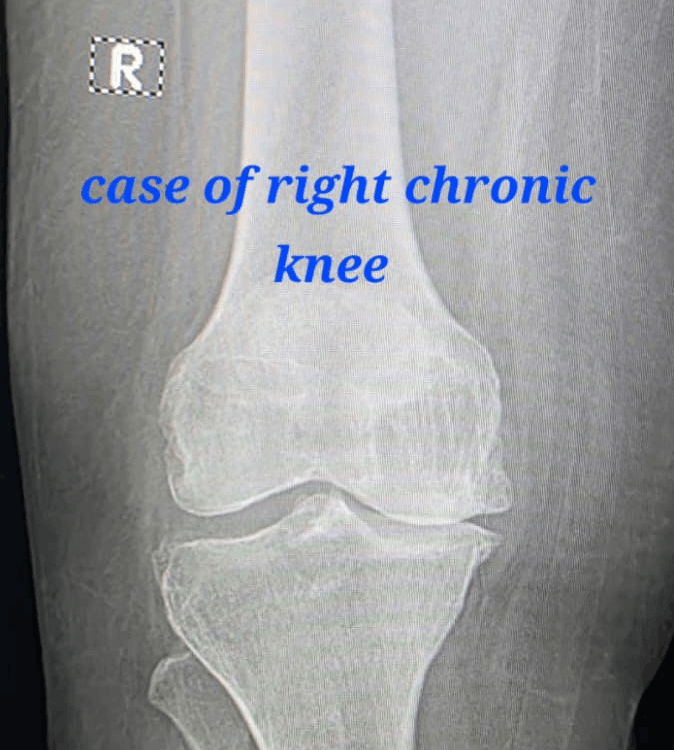
Genicular Artery Embolization (GAE) for Knee Pain
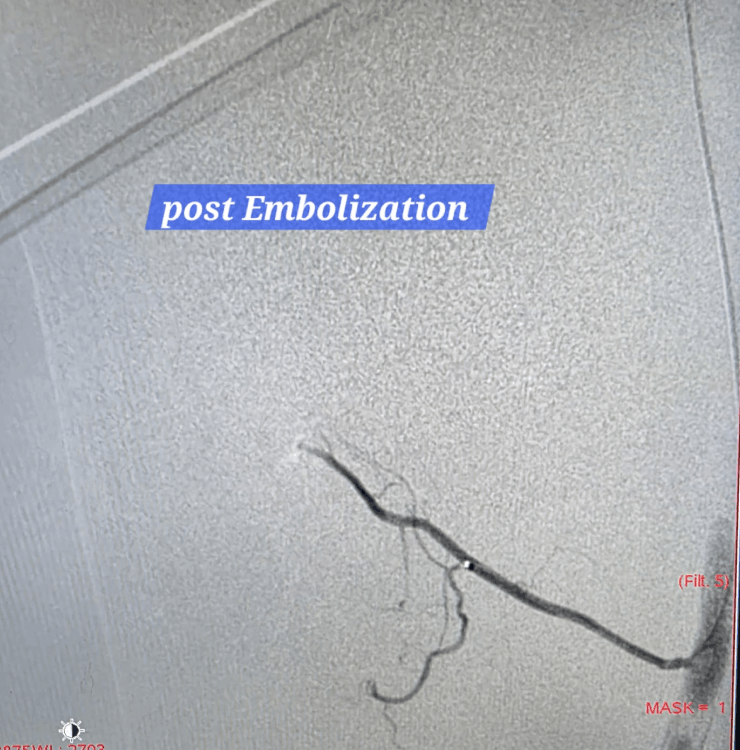
Genicular Artery Embolization is a minimally invasive, image‑guided procedure used to treat chronic knee pain (especially due to osteoarthritis) by targeting abnormal, inflamed blood vessels around the knee. It is typically done through a tiny puncture with local anesthesia and is usually a day‑care procedure.
By reducing abnormal blood flow that sustains inflammation, GAE can help decrease pain and improve function in selected patients who have persistent symptoms despite conservative treatment.
Symptoms
Chronic knee pain may present with one or more of the following:
- Persistent knee pain (worse with walking, stairs, standing or activity)
- Stiffness, especially after rest or in the morning
- Swelling or a feeling of fullness around the knee
- Reduced range of motion or difficulty bending/straightening the knee
- Night pain or pain that limits sleep
- Symptoms not adequately controlled with medicines/physiotherapy
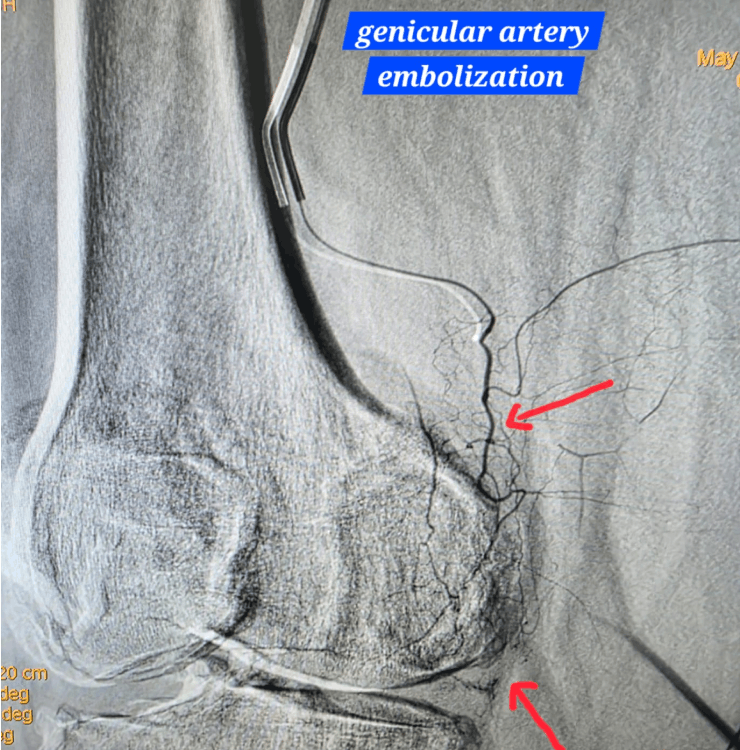
Treatment
After clinical assessment and imaging (X‑ray/MRI as required), we recommend a personalised plan. For suitable patients, the procedure may include:
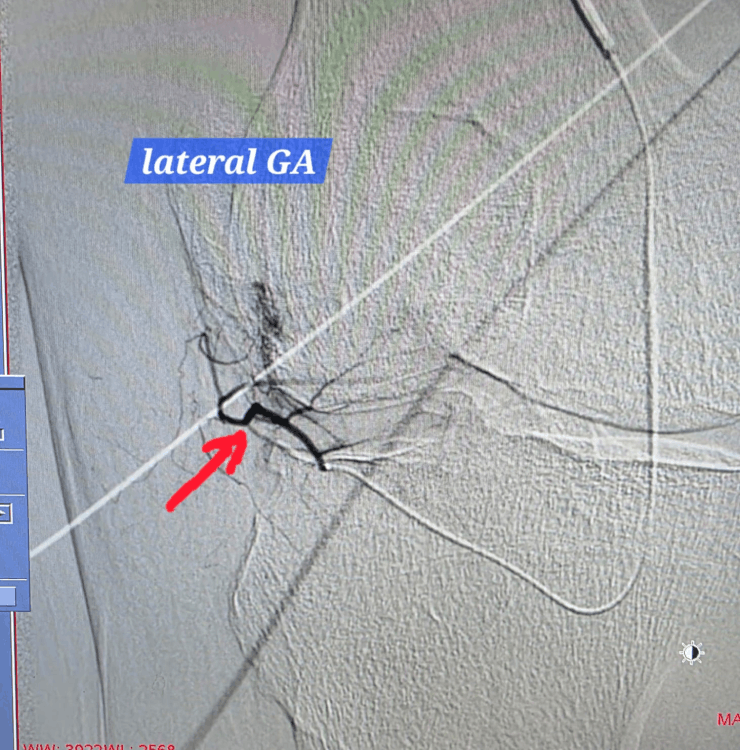
- Genicular Artery Embolization: a thin catheter is guided to the small arteries around the knee under fluoroscopy (X‑ray guidance).
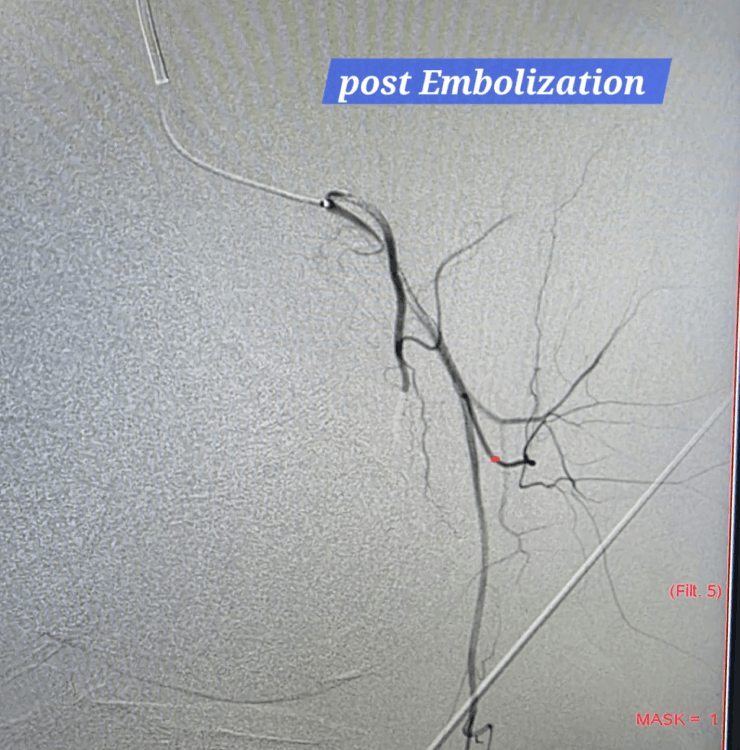
- Targeted embolization: tiny particles are used to reduce abnormal blood flow to inflamed areas, helping reduce pain.
- Post‑procedure care: short observation, pain control guidance and early mobilisation.
GAE is not a replacement for all knee conditions; it is best suited for selected patients with chronic pain (often osteoarthritis‑related) who have not improved with conservative treatment.
After Treatment
Recovery is usually quick. After the procedure, we typically advise:
- Walk gently from the same day as advised
- Avoid heavy exercise and prolonged standing for a short period
- Keep the puncture site clean and dry for the recommended time
- Continue physiotherapy/strengthening as guided for best functional improvement
- Attend follow‑up visits to assess pain relief and mobility
- Contact us if you notice increasing pain, redness, fever, significant swelling, or new numbness
Frequently Asked Questions
-
1.Who is a candidate for Genicular Artery Embolization?
GAE may be considered for patients with chronic knee pain (often due to osteoarthritis) who have not achieved adequate relief with medicines, physiotherapy or injections and who want to avoid or delay surgery. Final suitability is decided after clinical evaluation and imaging.
-
2.Is the procedure painful?
The procedure is typically performed under local anesthesia. You may feel mild discomfort during and after the procedure, but significant pain is uncommon and is usually managed with prescribed medicines.
-
3.Will I need hospital admission?
In most cases, GAE is done as a day‑care procedure with a short observation period, after which you can go home the same day. Some patients may be advised an overnight stay based on medical condition.
-
4.When will I feel improvement?
Many patients can resume routine activities quickly. Pain relief may begin within days to weeks, with gradual improvement in function over the following weeks. Response can vary depending on the severity of arthritis and other factors.
-
5.What are the risks?
All procedures carry some risk. Possible side effects include temporary pain, bruising at the puncture site, skin irritation, infection or unintended embolization. We use detailed imaging guidance and careful technique to minimise risks and monitor you closely.
-
6.Does this replace knee replacement surgery?
GAE can help reduce pain and improve function in selected patients, and may help delay surgery for some. However, it does not “reverse” advanced joint damage. If you have severe arthritis, knee replacement may still be the best option-your doctor will guide you based on your case.